
Finding work in the UAE, the Gulf or overseas takes more than spotting a vacancy. You need to know whether you qualify, what the role pays, which visa applies and whether the offer is genuine. Career Link Hub explains all of this in plain language, so you can compare your options and apply with confidence.
Popular: Airport Jobs · Walk-in Interviews · Work Visa · Salary Guide · Jobs From Abroad

Book Job Interview Now Carefully
| Your situation | Best place to start |
|---|---|
| Applying from outside the UAE | Getting a UAE Job From Abroad |
| Not sure which visa you need | UAE Work Visa Requirements |
| Already in the UAE | Walk-in Interviews in Dubai |
| Comparing job offers | UAE Salary Guide |
| Thinking of changing jobs | UAE Notice Period Rules |
| Considering an agency | Recruitment Agencies for the UAE |
| Planning a new career | Online Degrees and Certifications |
Jobs Available in the UAE 2027: Roles, Requirements and How to Apply
IT Jobs in Dubai 2027
Dubai’s banks, airlines, retailers, logistics companies and government bodies all run on technology, so IT teams hire throughout the year. This guide explains which roles pay better, which skills employers list most often and how to present your experience on a CV.
Apply NowArtificial Intelligence Jobs 2027
The UAE has a national AI strategy, and employers in finance, healthcare, logistics and government are building data teams. This guide shows how people move into AI from other fields, which skills to learn first and how to build a portfolio that proves your ability.
Apply NowCybersecurity Jobs 2027
Organisations that handle customer data need people who protect it. This guide covers common security roles, the certifications employers mention and a realistic path from IT support to a specialist position.
Apply NowCloud Computing Jobs 2027
More UAE companies are moving systems to the cloud, which creates demand for people who can build and manage them. This guide explains the AWS certification path, hands-on practice ideas and how cloud skills combine with security.
Apply NowBanking and Finance Jobs 2027
As a regional financial centre, the UAE hires across retail banking, corporate finance, operations and compliance. This guide explains the qualifications employers prefer, how to prepare for technical interviews and where to find official vacancies.
Apply NowHospital and Healthcare Jobs 2027
Hospitals and clinics recruit clinical, technical and administrative staff. This guide explains what documents to prepare, why professional licensing matters and how to spot genuine offers.
Apply NowReal Estate Jobs 2027
The property market supports sales, leasing and management careers. This guide explains how commission-based pay works, what licensing may apply to brokers and how to choose a registered company.
Apply NowWalk-in Interviews in Dubai 2027
A walk-in interview lets you meet recruiters in person without a long application process. Each announcement lists the date, venue, time and documents to bring, so you can prepare before you go.
Career Resources
- Interview preparation: walk-in interview announcements and the Dubai walk-in guide.
- Salary research: the UAE salary guide.
- Contract knowledge: the notice period rules.
- Stay updated: join Career Link Hub.
Artificial Intelligence Careers in the UAE
The UAE has made artificial intelligence a national priority. It has a government strategy for AI, a minister responsible for the field, and a graduate-level AI university in Abu Dhabi. For job seekers, this means growing interest from employers in government, banking, healthcare, logistics and technology.
AI careers are broader than most people expect. Technical roles include machine learning engineer, data scientist and data engineer. Non-technical roles include AI project manager, product specialist, compliance and policy adviser, and data annotation or quality roles. Many professionals reach AI by building on a field they already know, such as finance, marketing or engineering, then adding data and analytics skills.
A practical learning path starts with programming basics, usually Python, then statistics, data handling and machine learning concepts. Build small projects, such as a prediction model or a simple data dashboard, and keep them in an online portfolio. Employers often trust demonstrated work more than course titles alone.
When you read UAE job listings, notice which tools and cloud platforms they name, and match your study to those. Pay depends on experience, employer and specialisation, so use job pages and our UAE salary guide as research points, not promises.
Be cautious of courses that guarantee AI jobs. Choose providers that explain what you will learn and how it is assessed.
APPLY NOW: Artificial Intelligence Jobs and Careers in 2027.
Cybersecurity Jobs and Certifications in the UAE
As UAE organisations move services online, protecting data has become a core business need. The country has a national cybersecurity council, and banks, hospitals, airlines, telecom firms and government bodies all employ security staff.
Common roles include security analyst, SOC (security operations centre) analyst, penetration tester, network security engineer, and governance, risk and compliance specialist. Entry-level candidates often begin in IT support or networking, then specialise.
Certifications help employers compare skills. Popular routes include CompTIA Security+, CISSP for experienced professionals, and CEH for ethical hacking. Which one suits you depends on your experience and target role, so read several current UAE job descriptions and note what they ask for.
To prepare, learn how networks, operating systems and common attacks work. Practise in legal lab environments, and never test systems you do not own or have permission to test. Keep notes or a short portfolio of what you have learned.
Security skills also combine well with cloud knowledge, which many employers want together. If you are weighing technical paths, compare this guide with the highest-paying IT jobs in Dubai.
Salary and demand change over time, so verify figures with employers and our salary guide.
APPLY NOW: Cybersecurity Jobs and Certifications 2027.
Cloud Computing and AWS Careers in the UAE
Cloud computing lets organisations run software and store data on remote infrastructure instead of their own servers. Major providers have invested in the region, including a cloud region in the UAE, which has increased local demand for people who can design and manage these systems.
Typical roles include cloud support associate, cloud administrator, DevOps engineer, solutions architect and cloud security engineer. Many people enter through IT support, networking or software development and add cloud skills over time.
Vendor certifications give employers a shared benchmark. Amazon Web Services offers a ladder from foundational to associate and professional levels, and other providers have similar paths. Start with a foundational certificate to learn the vocabulary, then move to a role-based one that matches your target job.
Hands-on practice matters. Use free-tier accounts to build small projects, such as hosting a website, setting up storage with access controls or automating a simple deployment, and be careful to shut down resources to avoid unexpected charges.
Cloud skills pair well with security and data skills, which many UAE employers list together in job descriptions. Compare listings in banking, logistics, government and technology to see which tools are most requested.
Use employer job pages and our UAE salary guide to research pay, and treat any figure as a starting point.
APPLY NOW: Cloud Computing Careers and AWS Certifications UAE 2027.
Banking and Finance Careers in the UAE
The UAE is a regional financial hub, with banks, insurers, asset managers and fintech firms based across the country. Dubai International Financial Centre and Abu Dhabi Global Market are financial free zones with their own regulatory frameworks, which makes them notable employers and a source of specialised roles.
Banking careers range from branch and customer service roles to relationship management, credit analysis, compliance, operations and treasury. Finance careers include accounting, financial planning, audit, investment analysis and risk. Technology is changing the sector, so digital banking, data analytics and cybersecurity skills are increasingly relevant.
Qualifications help. Employers often look for a relevant degree, and professional credentials such as ACCA, CFA or CPA can strengthen an application, depending on the role. Compliance and anti-money-laundering knowledge is valued across the industry.
Preparation tips: tailor your CV to the specific role, show measurable results from past work, and be ready for technical and scenario-based interview questions. Network through professional bodies and industry events, and check each bank’s official careers page for current vacancies.
Pay depends on seniority, employer and specialism, so compare listings and our UAE salary guide before negotiating.
Read more: Finance and Banking Careers and Banking Jobs in UAE.
Insurance and Risk Management in the UAE
Insurance affects both employees and employers in the UAE. Health cover is required in some emirates, including Dubai and Abu Dhabi, and many employers provide it as part of the package. Rules can change, so check current requirements with official authorities.
For job seekers, it helps to understand what you are offered. Health insurance plans differ in annual limits, hospital networks, exclusions, waiting periods and family coverage. Life insurance pays a benefit to your chosen beneficiaries, and policies vary in term and conditions. Business insurance protects companies against risks such as property damage or liability claims.
Insurance is also a career field. Roles include underwriter, claims handler, insurance adviser, actuary, broker and risk analyst. Risk management roles appear in banks, construction firms, airlines and healthcare providers. Qualifications such as CII or actuarial credentials can support progression, depending on the path.
When you compare any policy, read the exclusions, ask what happens when you leave your job, and request the full terms in writing. Be cautious of anyone who pressures you to buy quickly or promises unrealistic benefits.
This section is general information, not financial or insurance advice. Speak to a licensed adviser before you buy.
Read the full guide: Health, Life and Business Insurance.
Real Estate and Property Careers in the UAE
Property is a major part of the UAE economy, with active residential, commercial and investment markets. That creates jobs in sales, leasing, brokerage, property management, valuation, development and facilities management.
Entry-level roles often start in sales or leasing support, and some positions are commission-based, so read pay terms carefully. Brokers in Dubai must meet the regulator’s licensing and training requirements, so confirm what applies in your emirate with official sources before you start.
Skills that help include communication, negotiation, local market knowledge and basic financial understanding. Many professionals add credentials in property management, valuation or project management as they grow.
Commercial real estate and property management are different from residential sales. They involve lease administration, tenant relations, maintenance planning and budgeting, and often suit people with business or operations backgrounds. Technology is also changing the sector, with demand for data and digital marketing skills.
When researching a role, ask how pay is structured, what training is provided and whether the company is properly registered. Avoid offers that ask you to pay upfront for a job.
Compare pay in our UAE salary guide and verify with employers.
Read more: UAE Real Estate Jobs 2027 and Real Estate Investment and Property Careers.
Online Degrees and Professional Certifications for UAE Careers
Many people in the UAE study while working. Online degrees and professional certifications can help you move up, change field or meet a requirement, but quality varies, so choose with care.
A degree suits people who need a formal qualification or a major career change. A certification is shorter and focused on one skill, such as project management, cloud, finance or security. Employers often value certifications that prove a current, specific skill.
Check accreditation first. Confirm the institution is recognised and that UAE employers and relevant authorities accept the qualification. Some professions and visa or attestation processes have specific rules, so verify with official sources.
Compare total cost, including exam and renewal fees, time commitment, assessment style and learner support. Be cautious of programmes that guarantee a job or promise instant results.
Match study to demand. Read job listings for the role you want and note which qualifications appear repeatedly. For technology, see our guides on AI careers and cybersecurity.
Plan your study schedule realistically and review your goal after each milestone.
Read the full guide: Best Online Degrees and Professional Certifications.
International Career Opportunities
Working abroad means learning new visa rules, contracts and living costs. Compare markets before you apply.
- Saudi Arabia, Qatar and the GCC: regional hiring information and application guidance.
- Europe, Canada and other markets: visa-sponsored roles and eligibility notes, where we have published coverage.
- Working with agencies: what licensed agencies can and cannot promise.
Visa sponsorship depends on the employer, the role and your qualifications. It is never guaranteed.
Amazon Warehouse Jobs in Loandon, UK
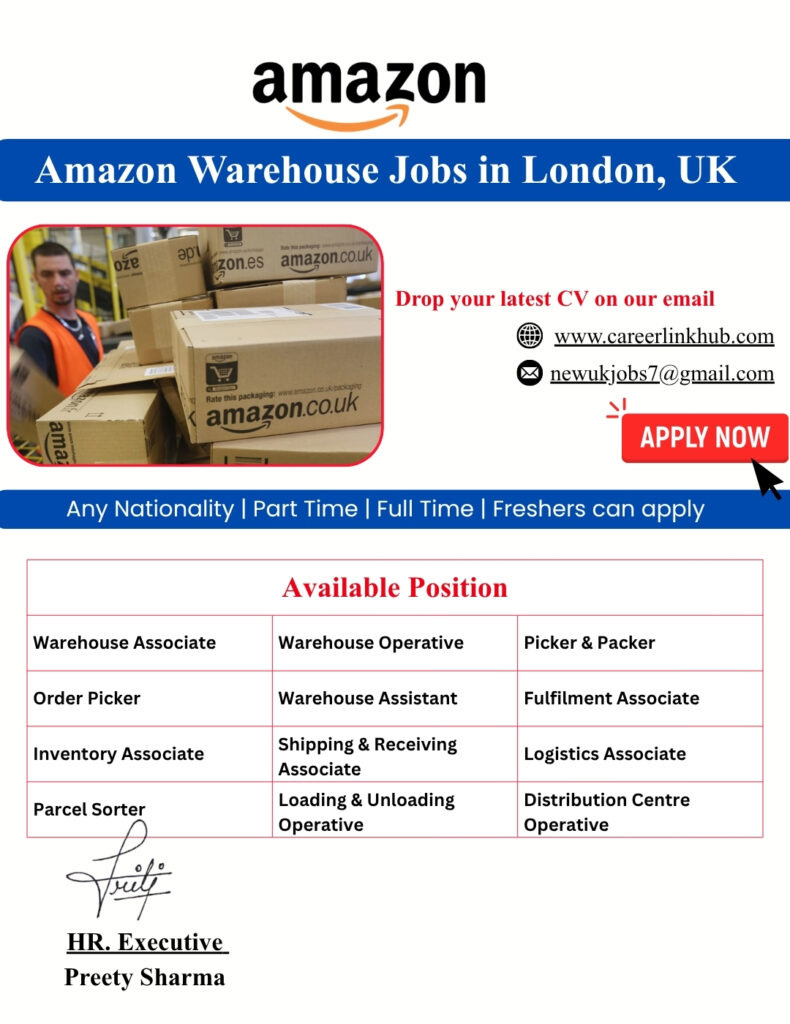
Looking for a warehouse job in the UK? Join the Amazon Warehouse team in London and become part of one of the world’s leading logistics operations. No previous warehouse experience is required for many positions, and full training is provided.
Gulf Jobs 2026 – Find Jobs in UAE, Saudi Arabia and Qatar
Gulf jobs 2026 are available across the UAE, Saudi Arabia, and Qatar in hospitality, construction, healthcare, logistics, IT, and finance. Career Link Hub is your trusted career platform for job seekers living and working across the GCC region. We provide updated job information, salary guides, visa advice, and career resources — completely free with no agent fees and no hidden charges.

Whether you are looking for your first job in Dubai, a senior role in Riyadh, or a well-paid position in Doha, this guide covers everything you need to make the right career decision in 2026.
Job Opportunities in UAE 2026
The United Arab Emirates remains one of the most active job markets in the world. Dubai, Abu Dhabi, and Sharjah offer opportunities across every industry and experience level. Companies in the UAE are hiring throughout the year with many positions offering visa, accommodation, transport, and health insurance as part of the package.
The most in-demand sectors in UAE right now are hospitality and tourism, logistics and warehousing, construction and engineering, healthcare, retail, and information technology. Entry level workers, skilled professionals, and senior executives can all find strong opportunities depending on their background and qualifications.
Salaries in the UAE are completely tax free. A delivery driver earns between AED 2,500 and AED 4,000 per month. An accountant earns between AED 6,000 and AED 15,000. An experienced software engineer can earn between AED 15,000 and AED 35,000 per month. Senior managers and directors earn AED 40,000 and above.
Many employers in UAE also provide annual flight tickets home, performance bonuses, and end of service gratuity on top of the monthly salary making the total compensation package very competitive compared to most countries in the world.
Job Opportunities in Saudi Arabia 2026
Saudi Arabia is experiencing one of the fastest periods of economic growth in its history. Vision 2030 is transforming the country with major investments in tourism, entertainment, smart cities, healthcare, and technology. This transformation is creating thousands of new jobs every month across all levels and industries.
Cities like Riyadh, Jeddah, and Dammam are expanding rapidly. NEOM, the Red Sea Project, and Diriyah Gate are among the largest development projects in the world right now and they all require large workforces across construction, engineering, hospitality, and operations.
For job seekers, Saudi Arabia offers competitive tax free salaries with most packages including accommodation, transport, and medical insurance. Entry level positions start from SAR 1,500 per month while skilled engineers, IT professionals, and healthcare workers earn between SAR 8,000 and SAR 20,000 per month. Senior professionals and managers can earn SAR 25,000 and above.
Airport jobs, hospital positions, hotel roles, construction work, and corporate office roles are all actively hiring in Saudi Arabia in 2026. The country welcomes international talent and the visa process is straightforward when going through a verified employer.
Job Opportunities in Qatar 2026
Qatar continues to be one of the most attractive destinations for job seekers in the Gulf region. The country offers tax free salaries, strong labor protections, and a high standard of living. Sectors including aviation, construction, facility management, hospitality, healthcare, and retail are actively recruiting both entry level and experienced candidates.
Doha is a rapidly growing city with new hotels, hospitals, shopping malls, and infrastructure projects constantly under development. This creates consistent demand for workers at all levels throughout the year.
Salaries in Qatar are competitive. Entry level workers earn between QAR 1,200 and QAR 2,500 per month. Mid level professionals earn between QAR 4,000 and QAR 8,000. Skilled engineers, nurses, and IT specialists earn QAR 8,000 to QAR 15,000 per month. Most employers provide free accommodation and transport on top of the salary making Qatar a very financially rewarding destination.
Qatar also has strong worker protection laws and the government actively monitors employer compliance. This makes it a safe and stable environment for international workers.
Salary Comparison Guide 2026 — UAE, Saudi Arabia and Qatar
Understanding what you should earn before you apply gives you the confidence to negotiate properly and choose the right destination for your career goals.
All salaries across UAE, Saudi Arabia, and Qatar are tax free. Benefits packages typically add 20 to 40 percent additional value on top of the base salary through housing, transport, insurance, and annual tickets.
How to Find a Job in the Gulf — Professional Guide 2026
Finding a job in the Gulf requires preparation, consistency, and the right approach. Candidates who follow a structured process receive interview calls faster and secure better offers.
The first step is preparing a strong CV. Your CV should be clean, professional, and no longer than two pages. Include your current location, visa status, notice period, and a professional photograph. Write a short summary at the top that clearly explains your experience and what you are looking for. Tailor your CV specifically to each job you apply for rather than sending the same document everywhere.
The second step is using the right platforms. The most reliable job platforms for Gulf positions are LinkedIn, Bayt.com, GulfTalent, Indeed Gulf, and the official career pages of major companies. Applying directly through a company’s official website is always the safest and most effective method.
The third step is applying consistently. Job searching in the Gulf is competitive. The candidates who succeed are those who apply for relevant positions every single day. Focus on roles that genuinely match your skills and experience. Applying randomly to hundreds of unrelated jobs wastes time and reduces your credibility.
The fourth step is preparing for interviews. Most Gulf employers now conduct online video interviews for international candidates. Research the company thoroughly before the call. Understand their business, their values, and the specific role you are applying for. Prepare clear and specific answers using real examples from your work experience.
The fifth step is evaluating your offer carefully. Before signing any contract, read every detail. Confirm your salary, job title, working hours, leave entitlement, accommodation and transport arrangements, health insurance coverage, and notice period requirements. Never accept a verbal offer only — always get the full contract in writing.
Online Interview Guide 2026 — How to Succeed from Anywhere
Online interviews have become the standard hiring process for Gulf employers, particularly for candidates applying from outside the country or from within the GCC region. Handling them professionally makes a significant difference in your success rate.
Prepare your environment before the interview. Test your camera, microphone, and internet connection at least 30 minutes in advance. Choose a quiet, well-lit space with a professional background. Dress exactly as you would for a face to face meeting — professional appearance signals serious intent even through a screen.
During the interview, speak clearly and maintain eye contact by looking directly at the camera rather than the screen. Listen carefully to each question before answering and take a brief moment to collect your thoughts if needed. Use specific examples from your career to demonstrate your experience rather than making general statements.
After the interview, send a professional follow up email within 24 hours. Thank the interviewer for their time, mention something specific from your conversation, and reconfirm your interest in the position. This simple step sets you apart from most other candidates who do not bother to follow up.
Work Visa Guide — UAE, Saudi Arabia and Qatar 2026
Understanding the visa process for each country helps you plan your move and avoid unnecessary delays.
In the UAE, your employer handles the entire visa process after selecting you. They apply for your entry permit through the Ministry of Human Resources and Emiratisation. You travel to the UAE, complete a medical test, and your residence visa is processed and stamped. The process typically takes two to four weeks from the time your employer submits the application.
In Saudi Arabia, your employer applies for your work visa through the Ministry of Human Resources. You receive a visa stamped in your passport at the Saudi embassy in your home country. On arrival you complete biometric registration and receive your Iqama residency card within the first few weeks. Your Iqama is your official identification document in Saudi Arabia and is required for almost all official transactions.
In Qatar, the employer applies for your work permit before you travel. You receive a visa to enter the country and your Residence Permit is processed on arrival. Qatar has recently introduced significant labor reforms including the abolition of the exit permit system and improved worker protections that make it a more attractive destination than ever before.
In all three countries, your employer is responsible for the visa costs. If any employer asks you to pay for your own visa processing, this is a serious warning sign of a fraudulent offer.
Career Development Guide — Grow Your Career in the Gulf 2026
The Gulf region is not just a place to earn money — it is a place to build a serious long term career. Professionals who invest in their skills and take a strategic approach to their career development consistently earn higher salaries and reach senior positions faster.
Certifications make a significant difference in the Gulf job market. A Project Management Professional certification can increase your salary by 25 to 35 percent in construction and IT roles. An ACCA or CFA qualification can open doors to senior finance positions in UAE and Saudi Arabia that would otherwise be inaccessible. A DHA or HAAD license is mandatory for healthcare professionals working in Dubai and Abu Dhabi respectively and significantly increases earning potential.
Networking is equally important. LinkedIn is the most powerful professional networking tool in the Gulf. Keeping your profile complete and updated, connecting with industry professionals, and engaging with relevant content regularly puts you in front of hiring managers even when you are not actively applying. Many senior positions in the Gulf are filled through professional networks before they are ever advertised publicly.
Language skills add value. While English is the primary business language across the GCC, Arabic language skills are a significant advantage particularly for roles involving government entities, client relations, or operations management. Even basic conversational Arabic demonstrates cultural respect and commitment to the region.
Know Your Rights — Gulf Labor Law 2026
Every employee working in the UAE, Saudi Arabia, or Qatar is protected by labor law. Understanding your rights is essential to protecting yourself and your career.
In the UAE, employees are entitled to 30 days of annual leave per year, a maximum of 8 working hours per day, overtime compensation, mandatory health insurance, and end of service gratuity calculated at 21 days salary per year for the first five years of service. The Ministry of Human Resources and Emiratisation handles all labor complaints through their website or by calling 800 60.
In Saudi Arabia, the labor law provides similar protections including annual leave, overtime pay, end of service benefits, and health coverage. The Ministry of Human Resources manages all employment disputes and can be contacted through their official portal.
In Qatar, major labor reforms in recent years have significantly strengthened worker rights. Employees can now change jobs without employer permission in most circumstances, a minimum wage is enforced, and a worker support fund exists to compensate employees whose employers fail to meet their obligations.
Never accept mistreatment or contract violations silently. Every country in the Gulf has official government channels to protect workers and resolve disputes free of charge.
Frequently Asked Questions
Is Career Link Hub free to use? Yes. Our platform is completely free for all job seekers. We never charge fees for job information, career guidance, or application support.
Do you hire directly? No. Career Link Hub is a career information and guidance platform. All job applications go directly through official employer channels and company websites.
How do I know if a job offer is genuine? Genuine employers never ask you to pay for your visa, job offer, or interview process. Always verify the company through official government trade license portals before sharing any personal documents.
Can I apply for Gulf jobs while already living in the UAE? Yes. Many employers across UAE, Saudi Arabia, and Qatar prefer candidates who are already in the region as they can join quickly and interview in person when required.
What should I do if my employer is not following my contract? Contact the relevant labor ministry in your country immediately. In UAE call MOHRE on 800 60. In Saudi Arabia contact the Ministry of Human Resources. In Qatar contact the Ministry of Labour. All complaints are handled free of charge.
Disclaimer
Career Link Hub is a free career information and guidance platform. We do not hire directly, guarantee employment, or charge any fees. All content is provided for informational purposes only. Always verify employer details through official government sources before applying for any position. Never pay money for a job offer, visa, or interview under any circumstances.